New York, USA · 6 min read
Most visitors to New York never make it above the low 100s on the West Side — and that's exactly why Morningside Heights feels like a secret hiding in plain sight. Up here, on a high plateau that was once an asylum hilltop, a strange and wonderful thing happened around 1900: cathedrals, seminaries, colleges, and monuments all rose together, stacking the sacred, the scholarly, and the everyday onto a few improbable blocks.
The locals sometimes call it the 'Academic Acropolis,' and the nickname sticks because it's earned. Within a short walk you can pass an unfinished cathedral longer than two football fields, a diner made famous by a sitcom (with a NASA climate lab humming above it), the seminaries of three faiths, and the largest mausoleum in North America.
If you're weighing whether this uptown detour is worth your afternoon, the short answer is yes — and here's what makes it unforgettable.
St. John the Unfinished
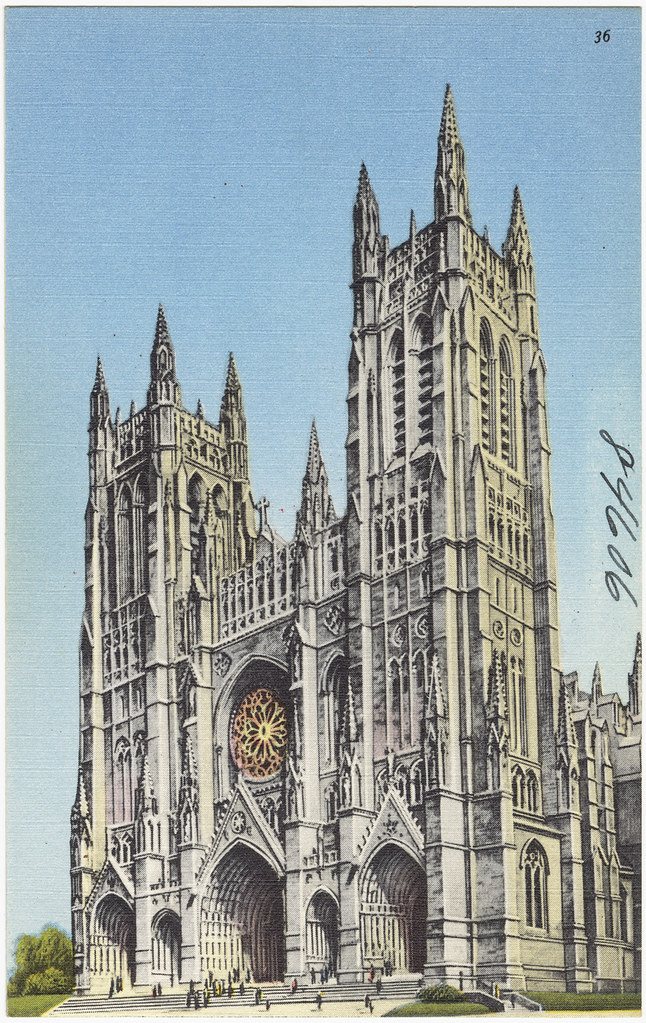
The Cathedral Church of St. John the Divine is the neighborhood's overture, and it announces itself the way only a 600-foot-long building can. Locals call it 'St. John the Unfinished' — with real affection — because ground was broken back in 1892 and it's still, technically, a work in progress, its towers waiting unbuilt and scaffolding coming and going with the decades.
Look closely at the stone and you can almost read its history as an argument. The original plan was Byzantine-Romanesque; midway through construction the architects pivoted to soaring French Gothic, and the seam between those two visions is written into the walls. It's one of the largest church buildings on Earth, and the scale simply doesn't register from the sidewalk.
It remains an active house of worship, welcoming to all faiths and none. If the great bronze doors are open, step inside — the nave swallows sound whole, and the sheer volume of the place only makes sense from within.
Where the Dissertations Get Written
Directly across from all that monumental stone sits its perfect counterweight: one small, steamy room called the Hungarian Pastry Shop. There's no Wi-Fi, and none is needed — the unspoken rule here has always been to order a coffee, take a table, and stay for hours.
For decades that's exactly what Columbia's writers and academics have done. Dissertations have been ground out at these tables; first novels drafted between refills. The walls are papered with the book covers of authors who wrote them right here. If the cathedral is the neighborhood's soul made monumental, the Hungarian Pastry Shop is its nervous system — the place where the actual thinking happens, over strudel and a stubby glass cup of coffee, with no clock in sight to rush anyone out.
A Sitcom Booth and a Global Climate Lab, Same Address
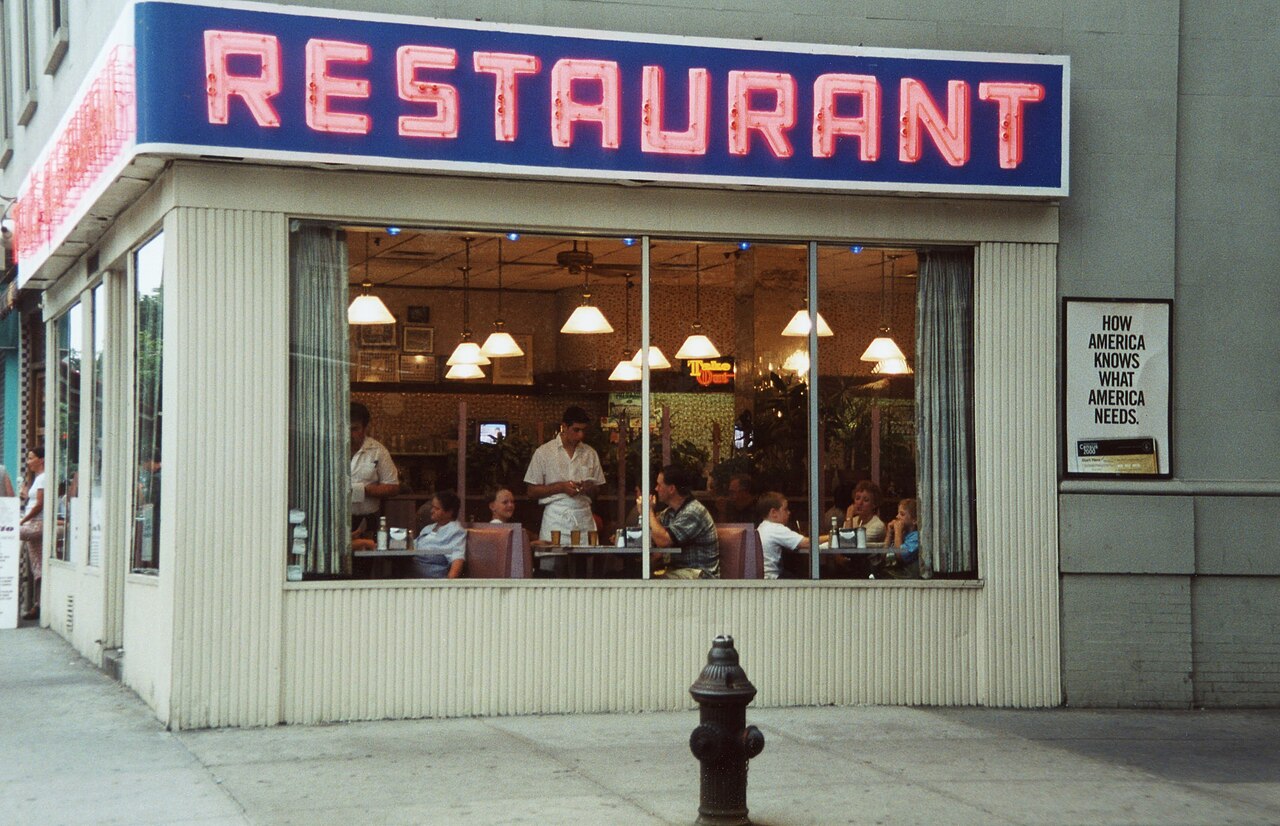
You'll recognize the neon before you register where you are: 'Restaurant' in red, 'Tom's' tucked in the corner. This is the exterior of the diner from Seinfeld, and the 'Tom's Diner' of Suzanne Vega's a-cappella hit — Vega being a Barnard graduate from just up the street.
But the real magic of this corner is what sits above the eggs and endless coffee. In the Columbia-owned floors directly over the diner is NASA's Goddard Institute for Space Studies, where scientists run models of the entire planet's climate decades into the future. A sitcom booth downstairs, a global climate lab upstairs, sharing a single building — it's Morningside Heights distilled into one glance: the everyday and the world-altering, sharing an address.
Two Faiths, Side by Side
Between the diner and the river, the ridge reveals its most improbable pairing. Union Theological Seminary, its Gothic cloister completed in 1910 and built to look centuries older, became a powerhouse of 20th-century Protestant thought — Reinhold Niebuhr taught here, and a young Dietrich Bonhoeffer studied here in 1930 before returning to Germany to resist the Nazis, a stand that would cost him his life.
Barely a block away rises the landmark tower of the Jewish Theological Seminary, the intellectual heart of Conservative Judaism and home to one of the world's great libraries of Jewish texts. Two faiths' foremost seminaries, close enough to nearly see each other — drawn here not by grand design, but because this high, quiet ground attracted serious minds seeking room to think. Both are private, working campuses, best admired from the gates and from Broadway.
The Tallest Church in America — and a Speech That Changed History
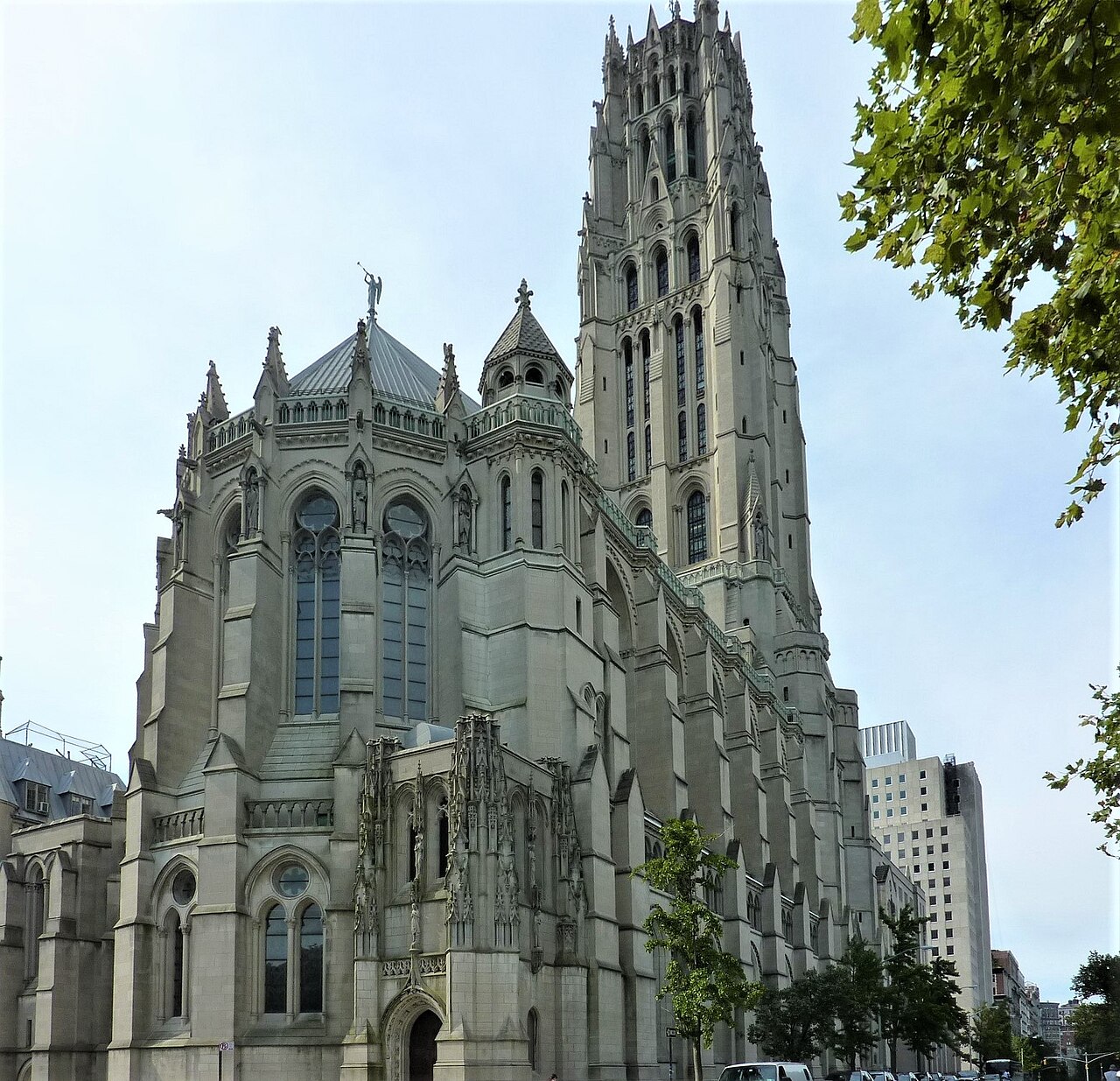
Riverside Church is the ridge's grandest gesture. Completed in 1930 and financed by John D. Rockefeller Jr., it's the tallest church in the United States, and its tower holds the largest carillon in the world — 74 bronze bells, the heaviest weighing some 20 tons. On a good day you'll hear them ring out over the Hudson.
But Riverside's true monument isn't the architecture; it's a moment. On April 4, 1967 — exactly one year before his assassination — Dr. Martin Luther King Jr. stood at this pulpit and delivered 'Beyond Vietnam,' his searing case against the war. It was controversial, it cost him allies, and it is now regarded as one of the great American speeches. Like the cathedral where the walk begins, this is monumental stone that still speaks, and still takes sides.
The Answer to the Oldest Riddle in New York
So, who's buried in Grant's Tomb? The classic joke answer is 'nobody' — because Ulysses and Julia Grant aren't buried at all, but entombed above ground in granite sarcophagi. The real answer, then, is two people.
This is the General Grant National Memorial, dedicated in 1897 and the largest mausoleum in North America. Grant — the general who won the Civil War and the president who fought to protect Reconstruction — was mourned so widely that more than a million people attended his funeral, and public donations built the great dome.
Don't miss the curving benches that ring it. That swirling 1970s mosaic, known as the 'Rolling Bench,' was made with hundreds of local schoolchildren pressing tiles into concrete. Presidential grandeur ringed by kids' handiwork — the everyday-beside-the-monumental theme, one last time. Best of all, it's run by the National Park Service and it's free.
Good to know
The full route runs roughly a mile and a half along the Morningside Heights ridge and takes about two to three hours at an unhurried pace, depending on how long you linger over coffee or step inside the churches. Wear comfortable shoes, bring a little cash (the Hungarian Pastry Shop is old-school), and check opening hours if you hope to see the cathedral and Riverside Church interiors. Several stops — Barnard and the two seminaries — are private campuses admired from the street. Grant's Tomb is free and open to the public via the National Park Service. Spring is magic at Sakura Park.
The full walk also passes Barnard College, Jewish Theological Seminary, Sakura Park.
The easiest way to connect all these dots — and to catch the stories you'd never guess from the sidewalk — is the free self-guided audio tour 'Morningside Heights: The Academic Acropolis.' It walks you from the unfinished cathedral to the cherry trees at your own pace, with narration timed to each stop, so you can spend your energy looking up instead of looking at a map. Press play and let the ridge tell its own remarkable story.
Take the free tour: Morningside Heights: The Academic Acropolis →