Providence, USA · 6 min read
Some cities wear their history in monuments and plaques. Providence keeps its stories closer to the ground — in damp cellars, fanlight doorways, and the steep, gaslit slopes of College Hill, where two of America's great literary shadows once walked. This is the town that made H.P. Lovecraft, the architect of cosmic horror, and the town that broke Edgar Allan Poe's heart during a brief, doomed romance in 1848.
If you're weighing whether Providence deserves a spot on your itinerary, the answer for anyone drawn to the gothic, the literary, or the frankly macabre is an emphatic yes. This is a compact, walkable East Side crammed with genuine curiosities — human-skin books, a house Lovecraft turned into a monster, a working library where a doomed courtship played out among the stacks.
What follows is a highlights tour of the darker corners of College Hill and Benefit Street — the stories worth crossing town for, and an honest reckoning with the complicated man at the center of them.
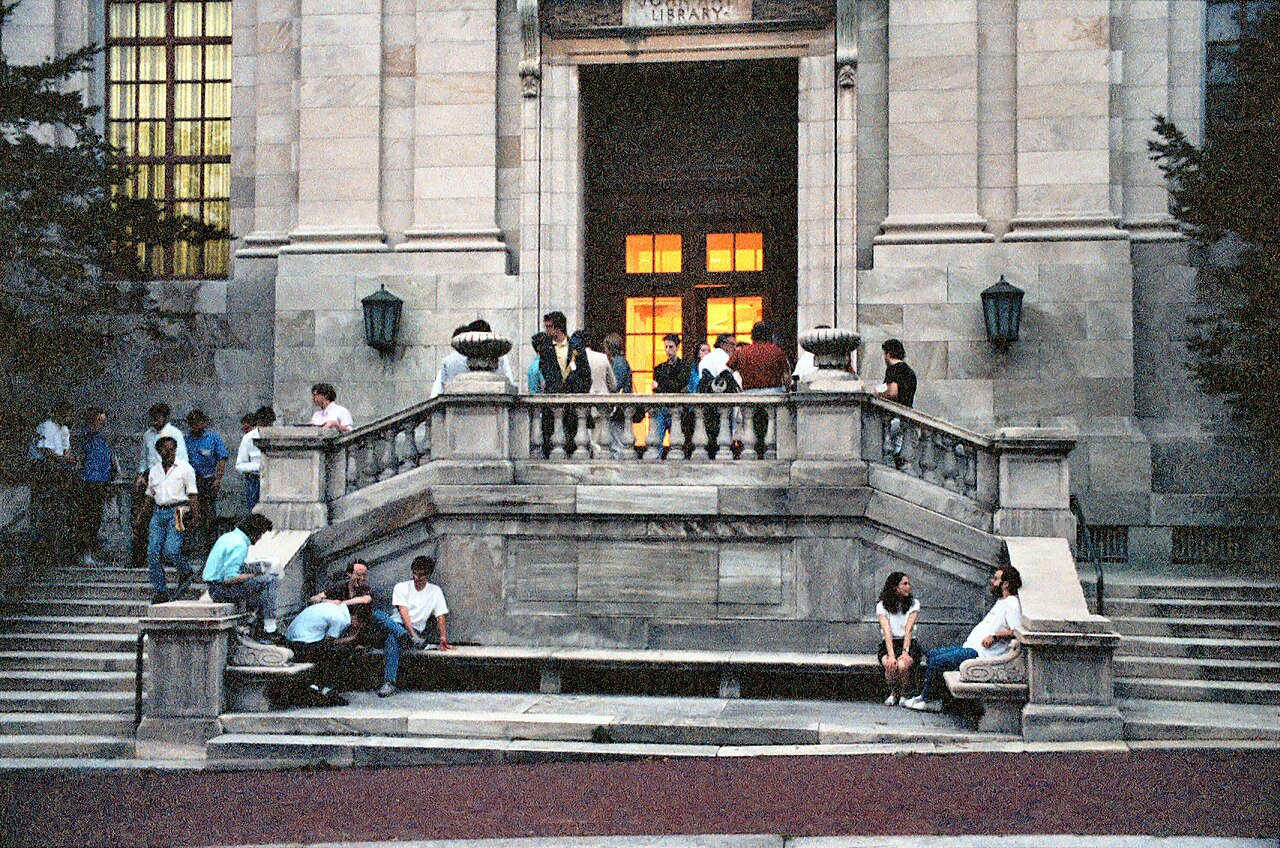
The Dark Heart: John Hay Library
Brown University's rare-book library is the natural starting point for any literary-gothic pilgrimage in Providence. Inside rest the papers of Howard Phillips Lovecraft, the Providence-born writer whose tales of ancient, indifferent gods and mind-shattering knowledge reshaped modern horror. Without him, there is arguably no Stephen King, no modern weird fiction as we know it.
But the Hay's most unsettling holding is entirely non-supernatural: three books bound in human skin. This isn't legend — it's documented history, catalogued and studied, a product of a grim practice called anthropodermic bibliopegy that was once darkly fashionable. Nothing haunted here, just the plain and disquieting record of what humans have done.
It's also the right place to be honest about Lovecraft himself. His influence is enormous and worth celebrating; his personal racism was virulent and extensively documented in his own letters. A good tour of his Providence names both truths in the same breath, and this one does.
A House That Traveled: 65 Prospect Street
Near the John Hay stands a colonial house that once sheltered Lovecraft — though not always on this exact spot. It was moved here in the 1930s, a fittingly strange fate for a writer obsessed with the geography of College Hill.
For Lovecraft, place was everything. He catalogued these steep streets, fanlight doorways, and antique gambrel roofs lovingly, then seeded them with dread. He lived much of his life within a few blocks of here, often poor and solitary, writing letters by the tens of thousands and calling himself an old man in a young body, in love with the eighteenth century.
'I Am Providence': The View from Prospect Terrace
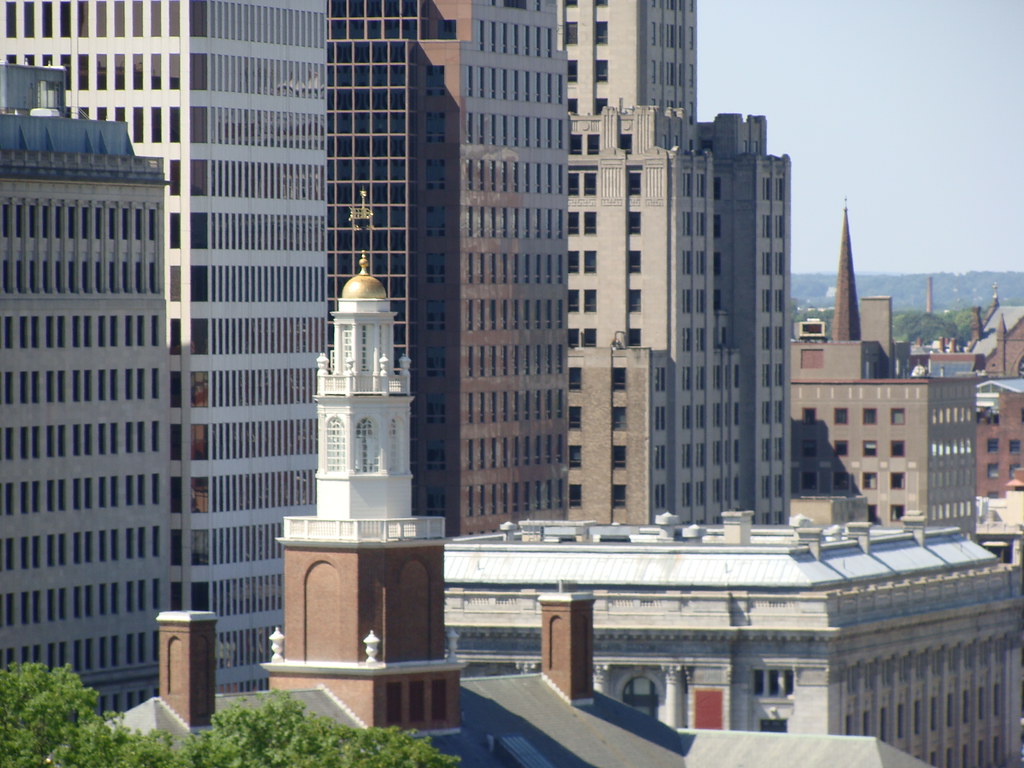
For the price of a short climb, Prospect Terrace offers one of the finest views in the city — the marble dome of the State House, the rooftops of the East Side tumbling down toward the river. It was Lovecraft's beloved vista, the spot where he came to think and watch the sunset gild the town he never truly left.
Providence was, for Lovecraft, not merely a setting but a form of self. When admirers later sought an epitaph for him, they chose three words from one of his letters: 'I am Providence.' Standing at the railing, it's easy to understand the sentiment — all his imagined cosmic terrors were built from a place he loved this deeply.
Horror, for Lovecraft, always began at home. And these same three words wait at the very end of the walk, carved in stone.
Poe's Doomed 'Helen' on Benefit Street
At 88 Benefit Street lived Sarah Helen Whitman — poet, spiritualist, and a woman of formidable intellect who wrote of the beyond and kept an ether-scented handkerchief close. In 1848 she received a famous suitor: Edgar Allan Poe, recently widowed and luminous with need, who called her his 'Helen' and poured his longing into some of his most aching verse.
For a few months, this quiet house held a genuine engagement. But Poe was Poe. Whitman's mother distrusted him, his promise to abstain from drink was broken, and she ended things — pressing that handkerchief to her face against the world, as the story goes. Within a year, Poe was dead in Baltimore.
Their brief, doomed romance rooted American gothic on this very street — the same lane where, decades later, Lovecraft would find his own horrors. Providence, it seems, gathers its shadows close.
The Shunned House That Still Stands
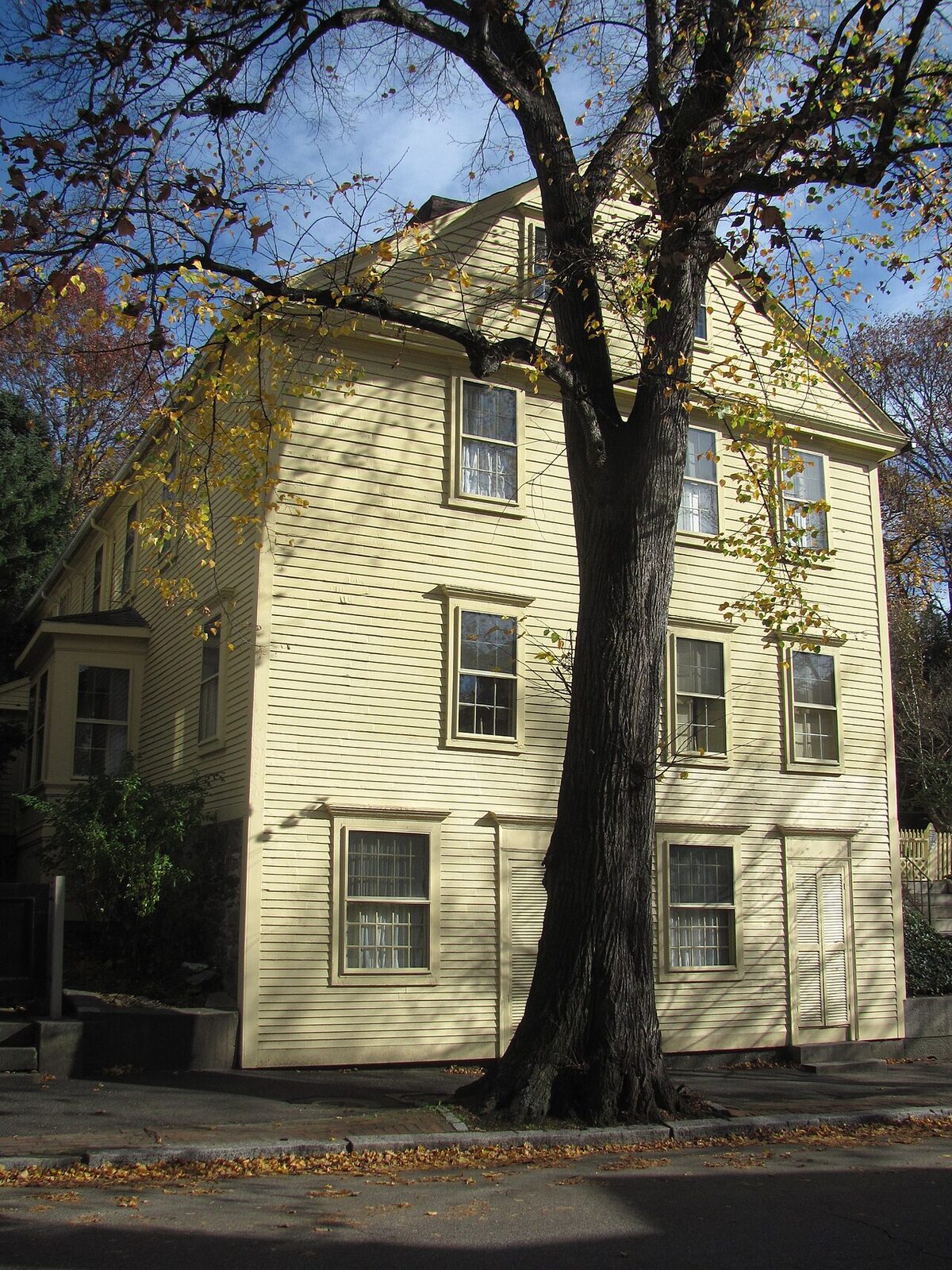
At 135 Benefit Street sits an unassuming yellow colonial that Lovecraft made infamous. He knew this house well — its damp cellar, its history of a family dogged by illness and early death — and in 1924 he transmuted that mildew and misfortune into 'The Shunned House,' a tale of a subterranean presence, faintly luminous, patiently draining the life from anyone who lingered.
This was Lovecraft's particular genius: to take the ordinary textures of Providence — a real address, a real cellar — and let cosmic dread seep up through the floorboards. No ghosts in white sheets, just something older, hungrier, and utterly indifferent to human life.
The house today is lived-in and perfectly benign. But linger at dusk, and you may find it hard not to glance toward its lower windows — which is, of course, exactly what he intended.
Where Two Shadows Meet: The Providence Athenaeum
With its Greek Revival columns rising like a temple to reading, the Providence Athenaeum has stood since 1838 as one of the oldest membership libraries in the country — and its interior has scarcely changed. It's a working library still, not a museum, which is part of its quiet magic.
Among these very alcoves, Poe and Sarah Helen Whitman conducted their doomed courtship, passing notes and reading verse in the hush between the stacks. Members will still point visitors to the spot. And here the city's two great literary shadows finally share a roof: the Athenaeum also keeps a bust of Lovecraft.
The doomed romantic and the cosmic pessimist, gathered under one small, storied ceiling — a fitting shrine where Providence's literary ghosts are kept not embalmed, but companionably alive on the shelves.
Good to know
The core walk runs from the John Hay Library down through College Hill and Benefit Street to the Providence Athenaeum — roughly a mile of mostly gentle but occasionally steep terrain, easily done in 1.5 to 2 hours at a browsing pace. Wear comfortable shoes for the hills and cobbled stretches. The Swan Point Cemetery finale sits about two miles northeast, so plan on a car or transit if you want to complete the pilgrimage. Dusk gives everything an extra shiver of atmosphere.
The full walk also passes Swan Point Cemetery.
If this is your kind of dark, the best way to walk it is with the free self-guided audio tour 'Brown: The Curious & the Macabre' as your guide. It threads all seven stops together with narration that celebrates Lovecraft's influence while naming his prejudices honestly, and lets you set your own pace through Providence's literary shadows — right down to those three words waiting at Swan Point.
Take the free tour: Brown: The Curious & the Macabre →