Princeton, USA · 5 min read
Princeton, New Jersey is best known today for its Ivy League university and its leafy, unhurried streets. But for a few extraordinary months in 1783, this ordinary college town was the seat of a brand-new nation — the place where Congress finally heard that the Revolutionary War was won.
That surprising fact is only the headline. Walk the front campus and you find a whole founding-era story pressed into a few hundred yards: a monument to the battle that kept the Revolution alive, the home of a Declaration signer who paid dearly for his signature, and a bronze statue that forces an honest reckoning with the founding's deepest contradiction.
If you're deciding whether Princeton is worth a detour on a trip through the mid-Atlantic, here's the case — told through the places that make this compact town punch far above its weight.
Where the Revolution Turned
Start at the Princeton Battle Monument, a great limestone slab carved by Frederick MacMonnies in the 1920s. The moment it freezes is the morning of January 3rd, 1777 — a sharp, desperate fight that came days after Trenton and sent the British reeling at a time when the American cause was close to simply expiring.
The carved figures tell the story: Washington on horseback, Liberty guiding him, and at his feet General Hugh Mercer, dying of bayonet wounds taken nearby. It's a reminder that the nation you're about to walk through was never inevitable. It turned, in part, on a few cold hours in this quiet college town — which is exactly why the walk begins here, at the beginning.
The Fine Print of Courage
A short walk away stands Morven, the handsome Georgian home of Richard Stockton — a lawyer, a Princeton trustee, and one of the men who signed the Declaration of Independence. We like to imagine that signing as a clean, triumphant flourish. For Stockton, it was a bill that came due.
When the British swept through in late 1776, he was betrayed, captured, and imprisoned in harsh conditions. He returned to a ransacked house, his library and papers burned, his health broken, and died a few years later in his early fifties. The Declaration's famous phrase — 'our lives, our fortunes, and our sacred honor' — stops being rhetoric at his front door. Stockton pledged all three and paid with two of them.
The Gift That Made It All Possible
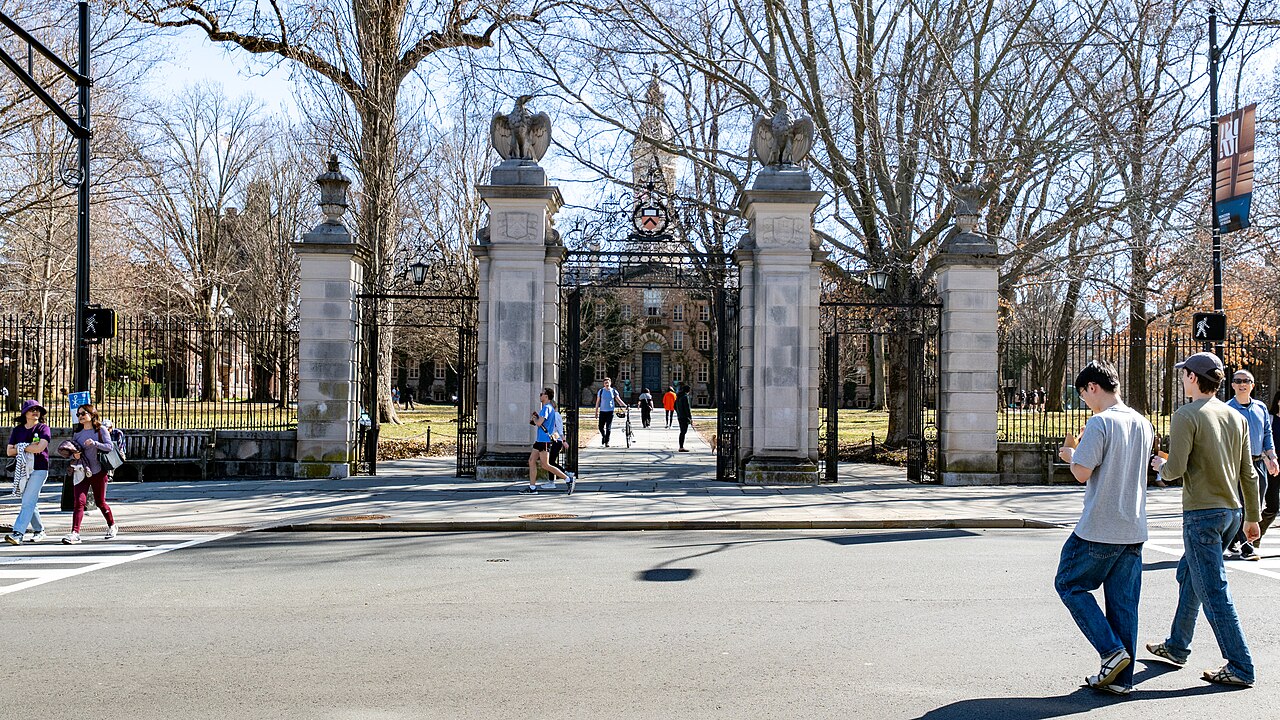
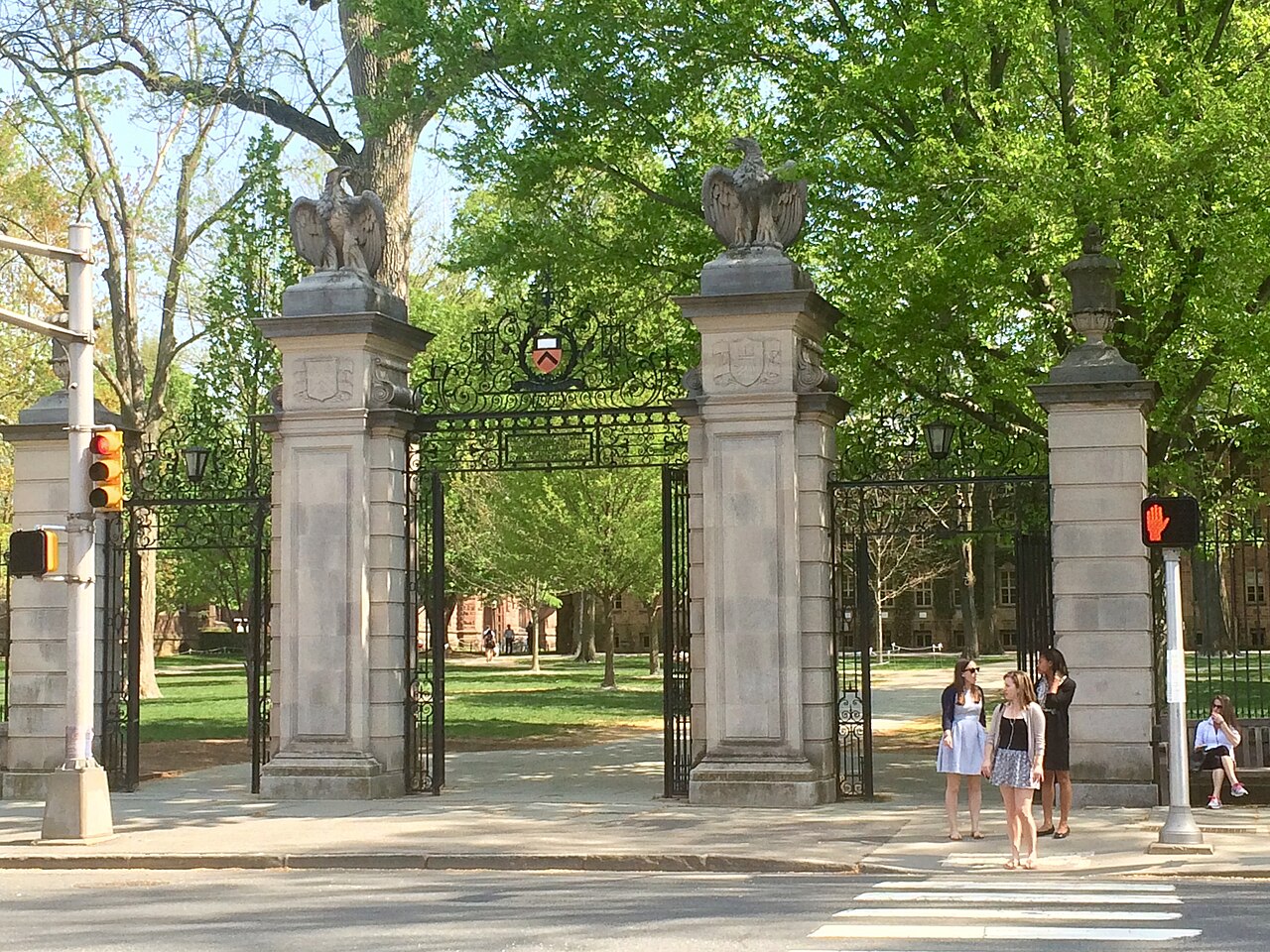
Before you reach the campus, you pass through the FitzRandolph Gates — the ceremonial front door, named for Nathaniel FitzRandolph, a local Quaker farmer who donated the land in 1753 on which Nassau Hall would rise. No FitzRandolph, no Nassau Hall, and a rather different chapter of American history.
The gates stand open, and there's a beloved bit of student lore attached: walk out through the center on graduation day and you're set, but pass back in the wrong way before then and you'll never graduate at all. Generations of undergraduates have politely detoured around the side, hedging their bets against a superstition none of them quite admits to believing.
The College Hall That Became a Capitol
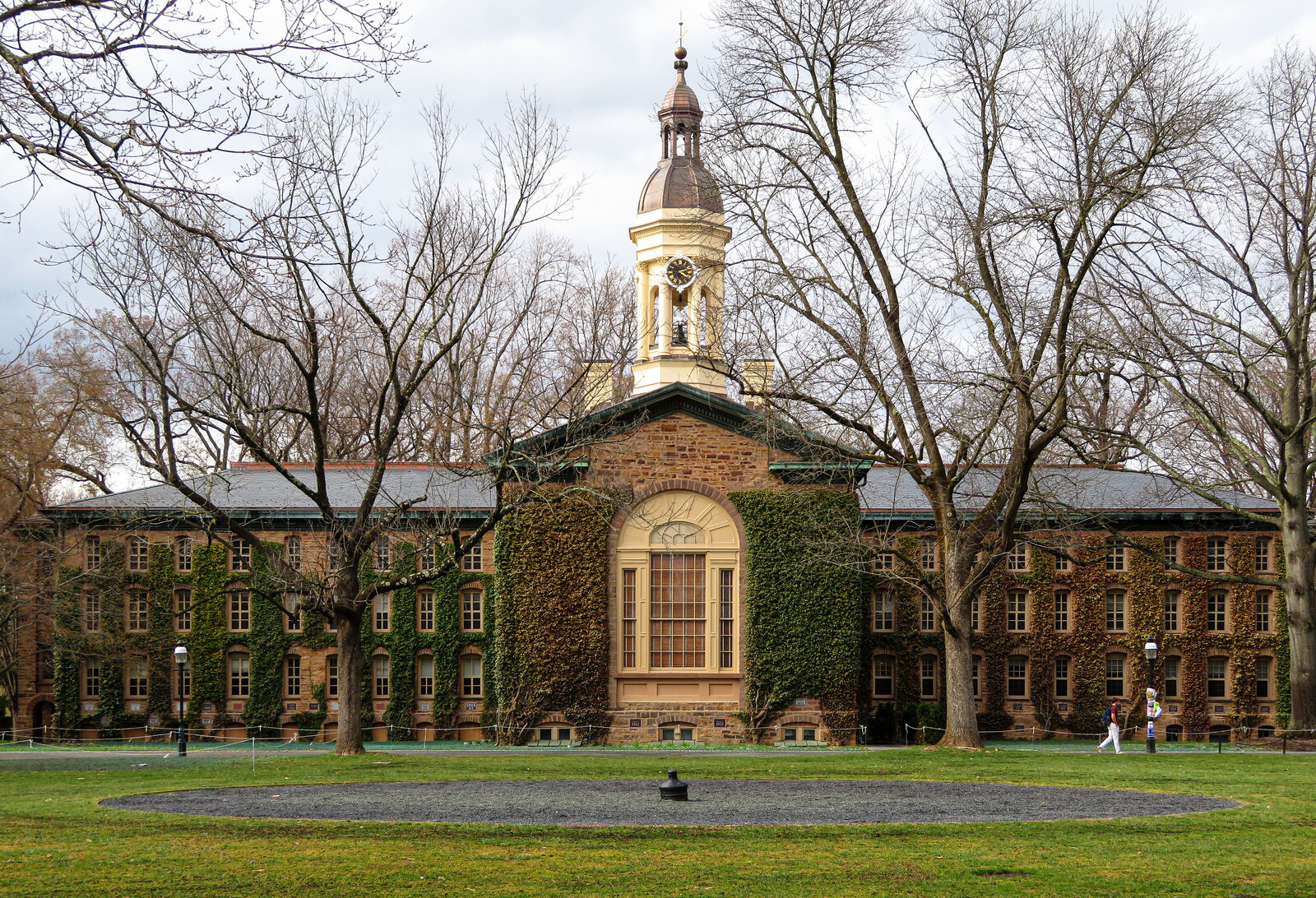
Nassau Hall is the centerpiece, and rightly so. When it opened in 1756 it was the largest building in the American colonies — a stone monster of a structure for a young college. But its greatest claim has nothing to do with size.
For four months in 1783, this building was the Capitol of the United States. The Continental Congress, chased out of Philadelphia by unpaid soldiers, met right here — and it was in this hall that Congress received formal word, via the Treaty of Paris, that the war was truly over and independence won. For a little while, a college classroom was the seat of a brand-new nation.
There's also a favorite tale that an American cannonball flew through a window during the 1777 battle and decapitated a portrait of King George II. Historians raise a skeptical eyebrow, but the story is kept anyway — cherished legend, told with a wink.
A Buried Cannon and a Future President
Behind the hall lies Cannon Green, where the Big Cannon — a Revolution-era relic — sits sunk muzzle-down into the earth, buried point-first in the 1830s and adopted ever since as a stubborn campus mascot. Some of the battle's last skirmishing happened close by.
But the quieter story is in the buildings nearby: Whig Hall and its twin, Clio, home to the old debating societies. One early member was a slight, quiet, brilliant student named James Madison, who here learned to build an argument and defend it on his feet. Years later that skill would help shape the Constitution itself — a neat symmetry, a few steps from where the nation was declared won, a young man was being trained to figure out how to actually run it.
Two Truths in Bronze
The statue of John Witherspoon — Scottish minister, college president, and the only active clergyman to sign the Declaration — marks the walk's most difficult stop. He taught James Madison and a startling number of the nation's early leaders. By any measure, a founding figure.
And here the walk asks you to hold two truths at once. Witherspoon championed liberty in print and in Congress — and he enslaved people, as did many in his generation, and the college itself was bound up in slavery. That contradiction isn't a footnote to soften; it's the central tension of the American founding, standing right here in bronze. Honoring Witherspoon honestly means saying both things in the same breath: the vision he helped write, and the people that vision did not yet include.
Good to know
This is a compact, easy walk — roughly a mile of flat, level ground across the historic front campus, comfortably done in an hour to ninety minutes with stops. Wear comfortable shoes, bring water on warm days, and headphones for the audio. The route is largely outdoors and accessible; note that building interiors like Nassau Hall may have their own visiting hours.
The full walk also passes Firestone Library.
If this founding-era story has you intrigued, the best way to experience it is on foot with the free self-guided audio tour 'Princeton: Cradle of the Nation.' It threads all seven stops together — from the Battle Monument to Firestone Library — with unhurried narration that brings the Revolution, the four months as capital, and the founding's harder truths to life exactly where they happened. Pop in your headphones and let Princeton tell you its story.
Take the free tour: Princeton: Cradle of the Nation →