Margate City, United States · 5 min read
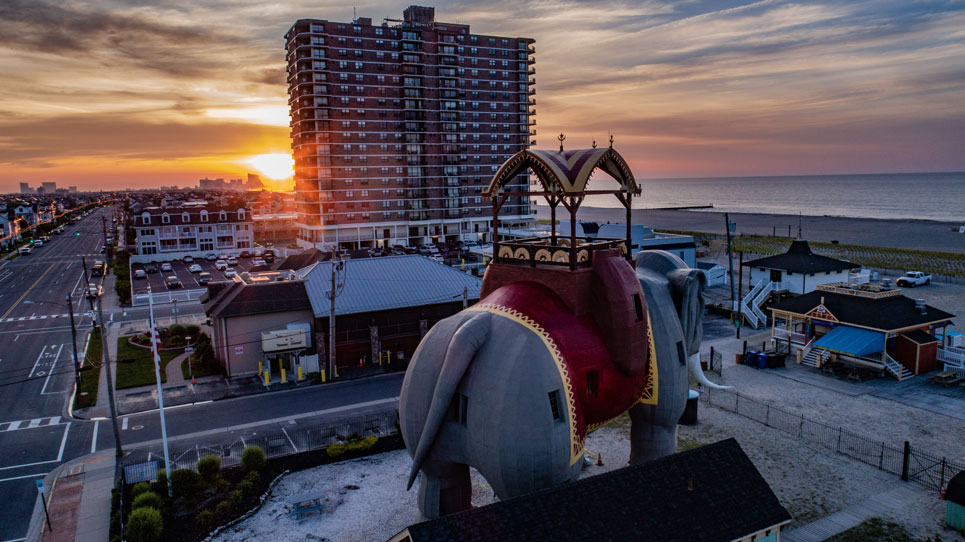
Everyone at the Jersey Shore has heard of Atlantic City's lights and its long boardwalk. Fewer make the short hop south to Margate City, a small square of coastline that trades neon for shingled porches, back-bay sunsets, and one gloriously improbable landmark: a 65-foot elephant that has stood on the sand since 1881.
Margate is the kind of town people summer in for generations without ever quite explaining why. The appeal is in the contrasts — grand shore mansions one street back from the ocean, sleepy bayside cottages, a nightlife strip that only wakes after dark, and a beach with no boardwalk at all.
If you're deciding whether it's worth a detour, here's the honest answer: yes, and the best way to see it is on foot, wandering from the bay side down to the water. Here are the stops that make the walk worth it.
The Monopoly Typo Hiding in a Garden Neighborhood
Tucked between Margate and Ventnor is Marven Gardens, an upscale garden enclave developed in the 1920s. Its curving streets and green courts were a deliberate escape from the straight-line grid of the shore, and the whole neighborhood still feels hushed and tucked away — a pocket of calm most beach visitors never stumble into.
Here's its claim to fame: when the makers of Monopoly immortalized Atlantic City-area place names on the board, they landed on this very neighborhood — and misspelled it. On the board it's 'Marvin Gardens,' with an I. The real place is Marven, with an E. Parker Brothers never fixed the typo, so a corner of Margate has been quietly famous in millions of living rooms under the wrong name for nearly a century.
Amherst Avenue After Dark
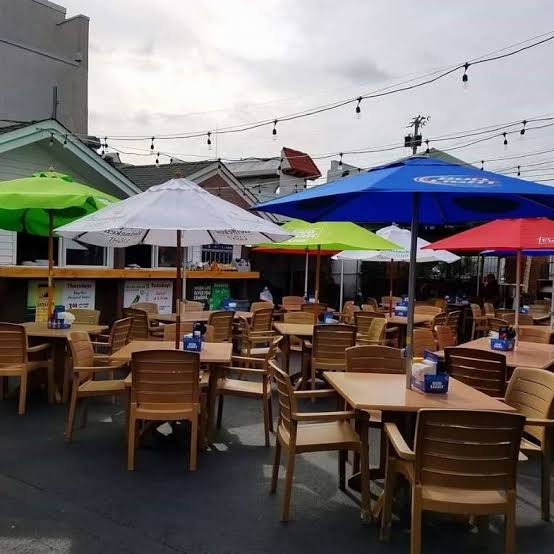
By day, Amherst Avenue looks unassuming. Come evening, this back-bay strip is where Margate comes alive. Running roughly from Washington Avenue in the east to Monroe Avenue in the west, it's the town's nightlife spine, home to institutions like Steve & Cookie's, along with Memories, Tideline, and Maynard's — each with its own crowd and rhythm.
What sets it apart is the water. Many of these spots back right onto the bay, so a cold drink comes with the sun melting orange over the marshes and the boats. On summer nights the strip hums with music drifting out of open doors and laughter carrying across the water — a completely different energy from the sleepy cottage streets just a few blocks away, but the same Margate, just later in the day.
An Ice Cream Cone Is Basically the Law
There's an unwritten but iron-clad rule at the Jersey Shore: you do not walk past a good ice cream parlor on a warm day. Ventnor Avenue, Margate's everyday commercial heartbeat, keeps that tradition alive with local scoop shops among its bakeries, coffee spots, and boutiques.
Get the cone. Get the cup. Get your usual, or be brave and try something new — sprinkles strongly encouraged. Then find a bench or a patch of shade and let it drip a little; that's part of the deal. It's the sweetest kind of pause on the walk, and a fitting reward before the final stretch toward the sea.
Lucy the Elephant, Shore-Town Survivor
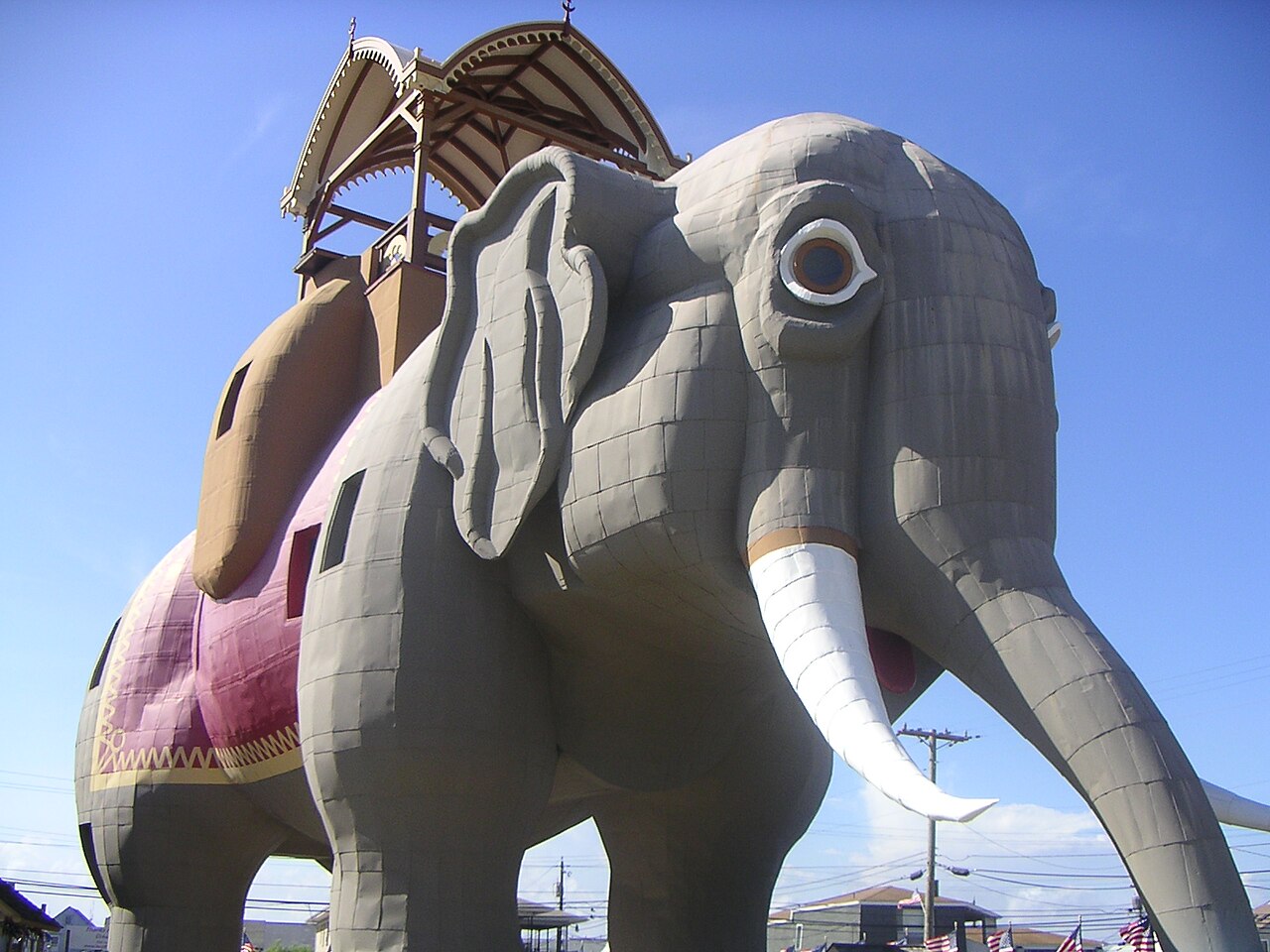
Lucy stands 65 feet tall, weighs around 90 tons, and has guarded this patch of shore since 1881 — making her the oldest surviving roadside attraction in America and a National Historic Landmark. She was built by real-estate developer James Lafferty, who patented the idea of an animal-shaped building to lure buyers out to the sand dunes. It worked.
Over the years Lucy has served as a real estate office, a tavern, and even a summer home. Visitors can climb the spiral staircases inside her legs, up into a room in her belly, and out onto the howdah — the carriage on her back — for a view of the sea. By the 1960s she was crumbling and nearly demolished, but locals rallied, raised the money, and rolled her to this very spot to save her. She's outlasted storms, developers, and time itself through pure shore-town stubbornness.
A Beach With No Boardwalk
The reward at the end of the walk is the beach itself, stepped onto near Decatur Avenue by the beach patrol stand. Notice what's missing: no boardwalk, no neon, no crush of crowds. Margate is proudly boardwalk-free — just wide, open sand and the Atlantic rolling in, the way this coast looked long before the amusements arrived.
Behind you, Lucy keeps watch, same as she has for more than a century. In front, the ocean does what it always does. It's a quietly perfect place to kick off your shoes and take in the full sweep of the town — grand and humble, salty and sweet, all in one small square of shore.
Good to know
The full ramble runs a little over a mile and a half at an easy stroll, roughly an hour of walking plus stops — figure on a half-day with a leisurely ice cream break and time to explore Lucy. It's flat the entire way, gently sloping down toward the ocean near the end. Bring sunscreen, water, and cash for a cone; wear comfortable shoes since you'll be moving from paved avenues onto open sand. Note that Lucy the Elephant has her own tour hours and admission if you want to climb inside.
The full walk also passes Atlantic Avenue Stroll, Jerome Avenue, Ventnor Avenue Shops, South Washington Avenue to the Sea.
The easiest way to string all of this together — bay streets, the Monopoly mystery, the shops, the treat stop, and the grand elephant finale — is the free self-guided audio tour 'Margate Beach Stroll to Lucy the Elephant.' It narrates each stop as you walk at your own pace, so you can wander, browse, and linger over that ice cream without missing the stories. Load it up, start on Jerome Avenue, and let it lead you to the sea.
Take the free tour: Margate Beach Stroll to Lucy the Elephant →