Berlin, Germany · 5 min read
Most of the Berlin Wall is gone — carried off in chunks, ground into rubble, paved over by a reunified city in a hurry to forget. But a kilometre and a bit of it still stands along the Spree in Friedrichshain, and today it's the longest surviving stretch anywhere, covered end to end in paint.
The East Side Gallery isn't a museum with opening hours and a ticket desk. It's a wall you walk alongside, outdoors, between a train station and a brick Gothic bridge, with developers' glass towers rising just behind it. Part memorial, part art gallery, part ongoing real-estate argument, it compresses the whole strange afterlife of the Wall into about a mile.
Here's what to know before you go — and why this short, flat riverside stretch is one of the most rewarding walks in the city.
Starting at the East Station
The walk begins at Ostbahnhof — once East Berlin's main station, the plainly named East Station where trains rolled in and out of the German Democratic Republic under watchful official eyes. It's a working transport hub today, which makes it an easy, well-connected place to start.
There's a quirk worth understanding right here. The Wall ran along Mühlenstrasse, and the Spree itself formed the actual border. That means the painted side everyone comes to photograph originally faced East. West Berliners could stroll up and scribble on their side of the concrete for years; approaching from the Eastern side meant risking your life. Note that the station isn't the Gallery proper — the painted stretch starts just south, across Strasse der Pariser Kommune — so think of this as the deep breath before the colour begins.
A Kilometre of Concrete, Repainted
Round the corner and the Gallery unfurls: over a kilometre of concrete, every inch of it painted. In 1990, with the Wall already politically dead but still physically standing, 118 artists from 21 countries arrived with buckets and ladders and simply claimed it. The result wasn't conceived as a solemn monument — it was closer to a celebration staged on the remains of something monstrous.
What visitors see now was restored in 2009, repainted and cleaned up. That restoration carries its own controversy: not every original artist consented, and some felt their raw 1990 work had been tidied into a tourist souvenir. Both things can be true at once — the wall is brighter and better preserved today, and something unvarnished was sanded away in the process.
It helps to remember what this concrete actually was. This was the hinterland wall, the inner barrier. Between it and the river lay the death strip. All that colour now sits on the very side the guards once guarded.
The Kiss Everyone Photographs
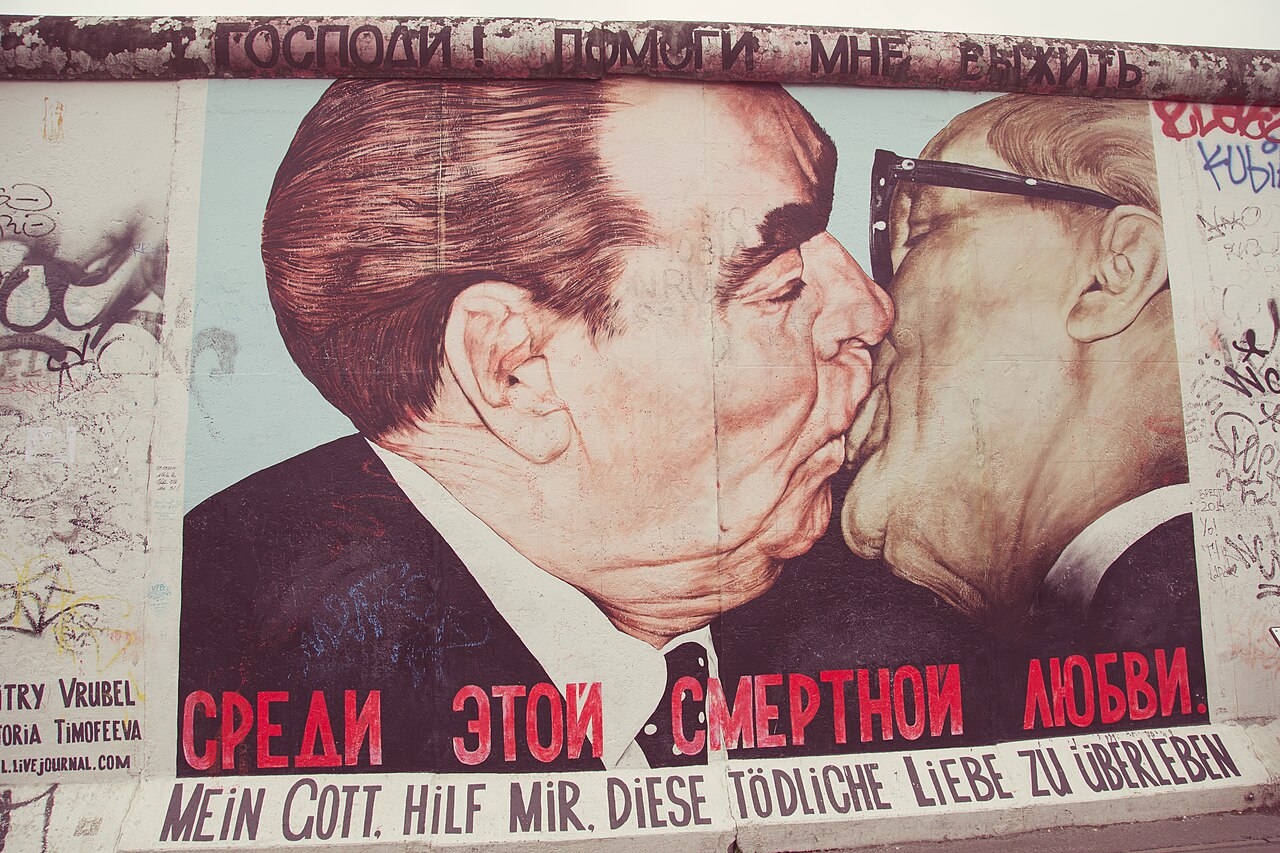
One panel stops every passerby: two men, eyes closed, locked mouth to mouth. They are Soviet leader Leonid Brezhnev and East German leader Erich Honecker, and Dmitri Vrubel painted the scene from a genuine 1979 photograph. The socialist fraternal kiss was real diplomatic protocol between comrade leaders — Vrubel simply rendered it enormous.
The title arcs above them: 'My God, Help Me to Survive This Deadly Love.' It's the whole joke and the whole tragedy in a single line — the suffocating embrace of brother states, the very love that built this wall.
It's the most photographed image on the Gallery, and the crowd queuing for the same shot is part of the experience. But look closely at what Vrubel pulled off: he took the regime's own staged affection and turned it into something absurd, tender and damning all at once. Honecker's East is long gone. His kiss is immortal.
The Gap Where the Developers Won
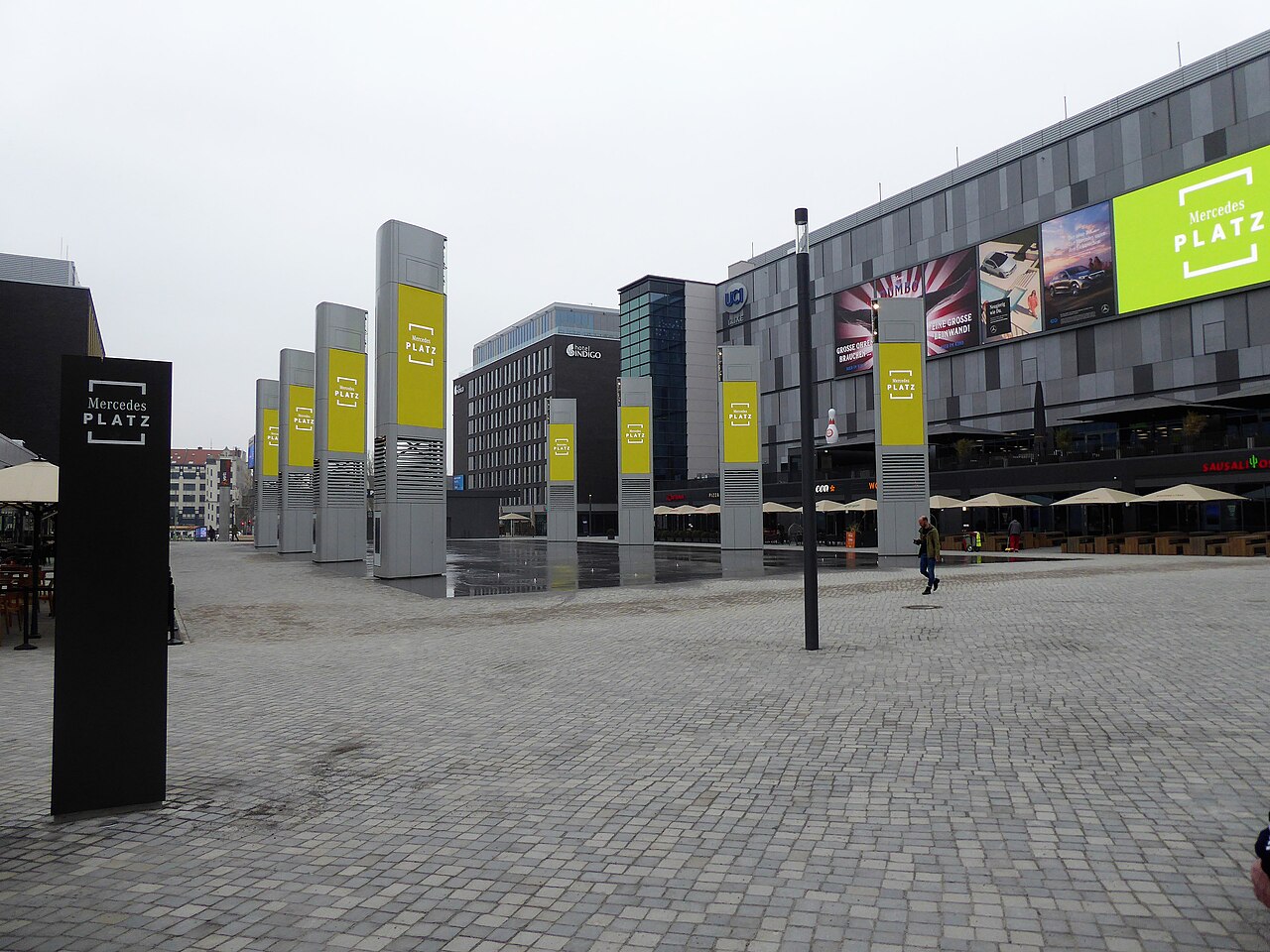
Partway along, something is conspicuously missing — a clean cut straight through the concrete. This gap isn't a wound from 1989. It was made by developers. This whole riverbank became what Berliners call Mediaspree: an arena, luxury towers, glass-fronted offices. To build the approaches, holes were knocked through the longest surviving stretch of the Berlin Wall.
In 2013, thousands came out to stand in those gaps — artists, neighbours, people who remembered exactly what this strip of ground had cost in human lives. The question beneath the protest was a hard one: who owns a death strip once the dying stops? The city, the developers, or the dead?
Berlin never fully resolved it. Some argue the river shouldn't remain a scar forever; others insist you don't sell a memorial by the square metre. Stand between the towers and the gap, and you can see that the fight over this ground didn't end with the Cold War. It simply changed its weapons.
The Bridge That Became a Bridge Again
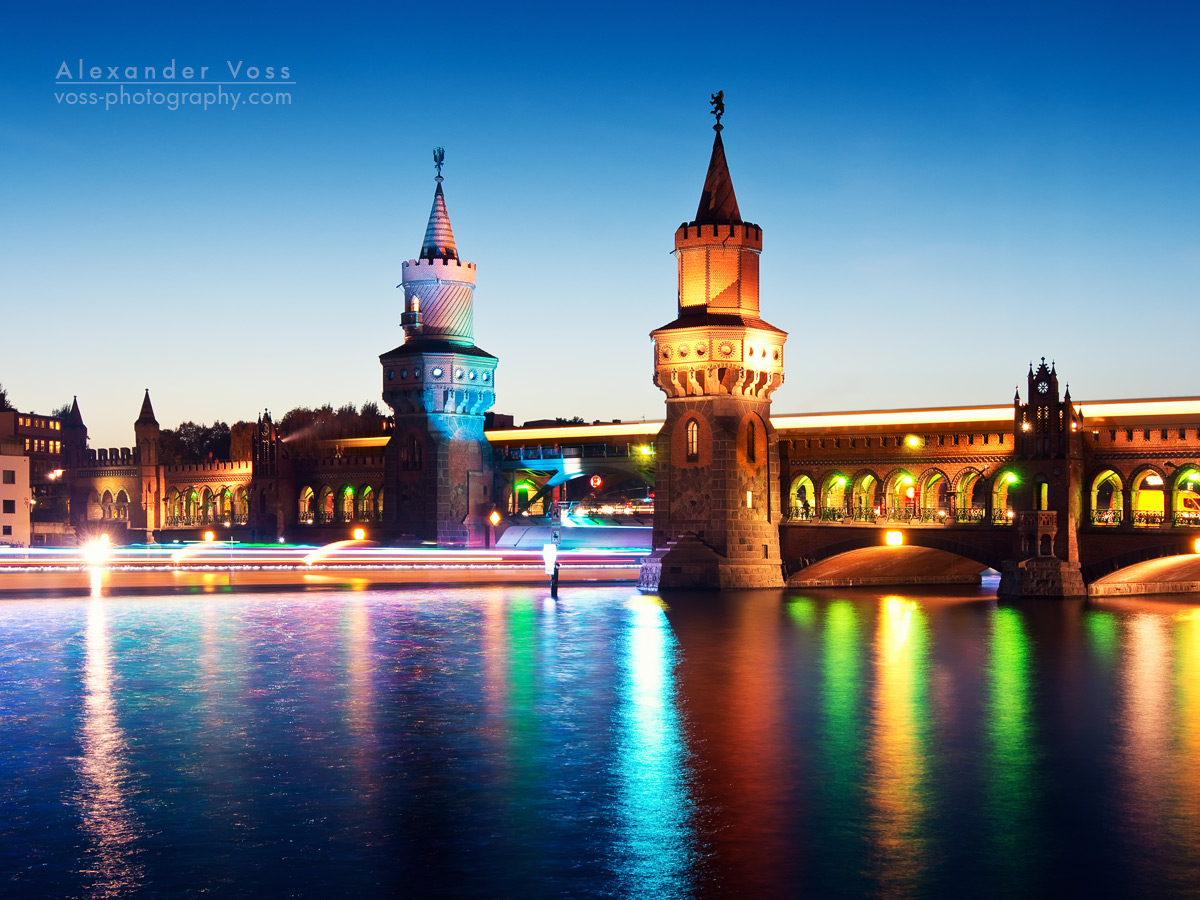
The walk ends at the Oberbaum Bridge — brick, turreted, pointed arches like a miniature fortress. It links Friedrichshain to Kreuzberg, East to West, which is precisely why it was sealed shut as a border crossing. The Spree beneath it was Eastern water, right up to the Kreuzberg bank.
That detail carried a terrible consequence. Children who fell into the river from the Western side could be seen and nearly reached by West Berlin rescuers — who could not legally enter Eastern water. Several drowned here while help stood only metres away, stopped by a line drawn on a map. They died because a border ran through a river.
Look downstream for a gentler coda: the Molecule Man, three vast figures rising from the Spree and reaching toward one another where the old districts meet. Today the bridge carries trains and pedestrians again, and the water that once divided is just water. For the artists who painted here in 1990, that was the ending they were painting toward.
Good to know
The route runs roughly one mile (about 1.6 km) along flat, paved riverside path from Ostbahnhof to the Oberbaum Bridge, taking 20–25 minutes of listening plus however long you linger over the murals. It's busy with tourists and offers little shade, so bring sun protection and water in summer. Both ends are well served by public transport, and you can comfortably combine it with exploring Friedrichshain or crossing into Kreuzberg afterward.
If you want the stories behind the paint — the artist who was there in 1990, the drowned children, the protests over the gaps — the free self-guided audio tour 'East Side Gallery: Painting the Wall Free' walks you the full stretch from Ostbahnhof to the Oberbaum Bridge in your own time. Download it, press play at the station, and let a mile of Berlin's history unfold at your own pace.
Take the free tour: East Side Gallery: Painting the Wall Free →