Berlin, Germany · 5 min read
Most visitors picture the Berlin Wall as a single line of concrete, a spot to snap a photo and move on. But at Bernauer Strasse, the border had depth — it ran right along the fronts of people's homes, cut through a church, sealed a subway station, and swallowed an entire neighbourhood into a guarded no-man's-land.
This stretch in northern Berlin is where the Wall's story is told most honestly, because it's the one place the full width of the border was preserved rather than torn down in the euphoria of 1989. You can walk from a 'ghost station' underground to a chapel rebuilt on the rubble of the church the regime dynamited.
If you're deciding whether this corner of the city deserves a slot in your Berlin itinerary, the short answer is yes — and here's what makes the walk so quietly devastating.
The Station the Trains Never Stopped At
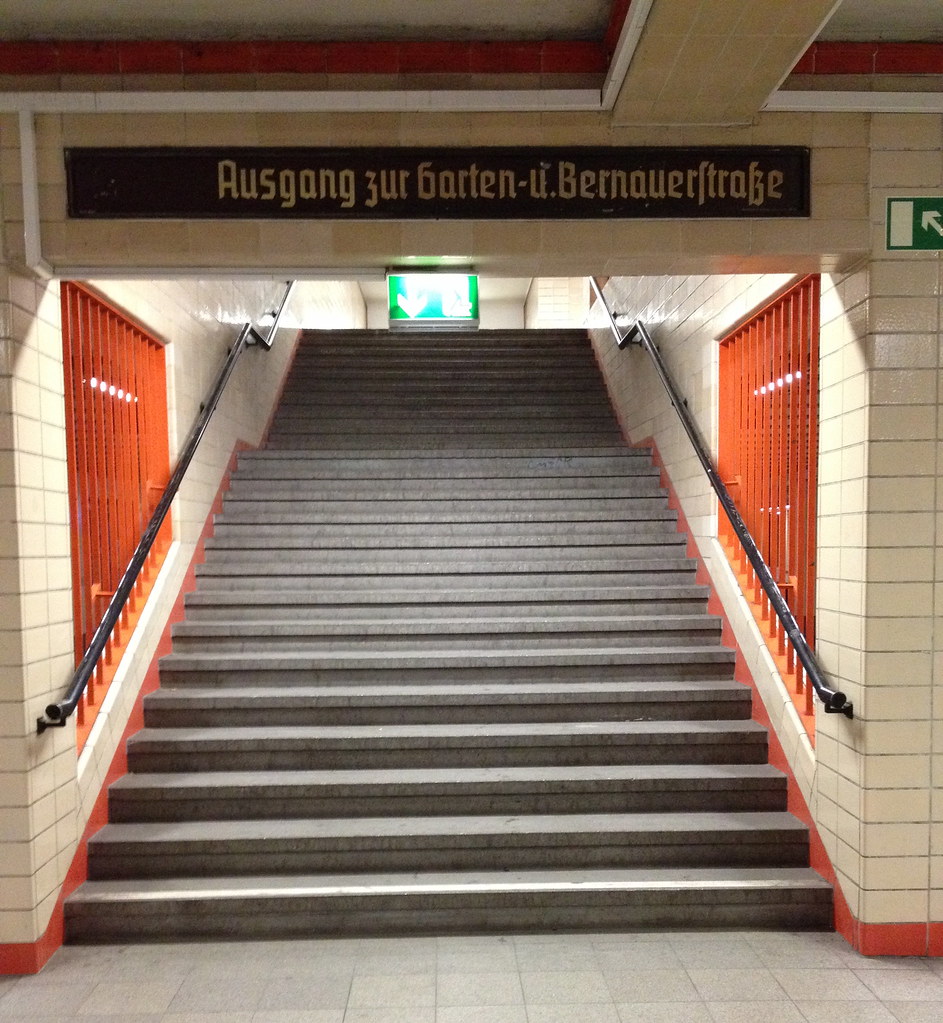
For twenty-eight years, Western S-Bahn trains rolled slowly beneath East Berlin without ever opening their doors. Nordbahnhof was one of the so-called ghost stations: platforms sealed, exits bricked over, armed guards posted in the shadows while passengers rode past dim lamps and soldiers in silence.
Today an exhibition inside preserves the old tiling and the sealed stairwells, along with the plans that erased an entire station from public life. It's a fitting place to begin, because it reveals something most people miss — the border didn't just run along the streets above. It ran underground too, with its own escape attempts onto the tracks and into the tunnels, some successful, many not.
Stop 2
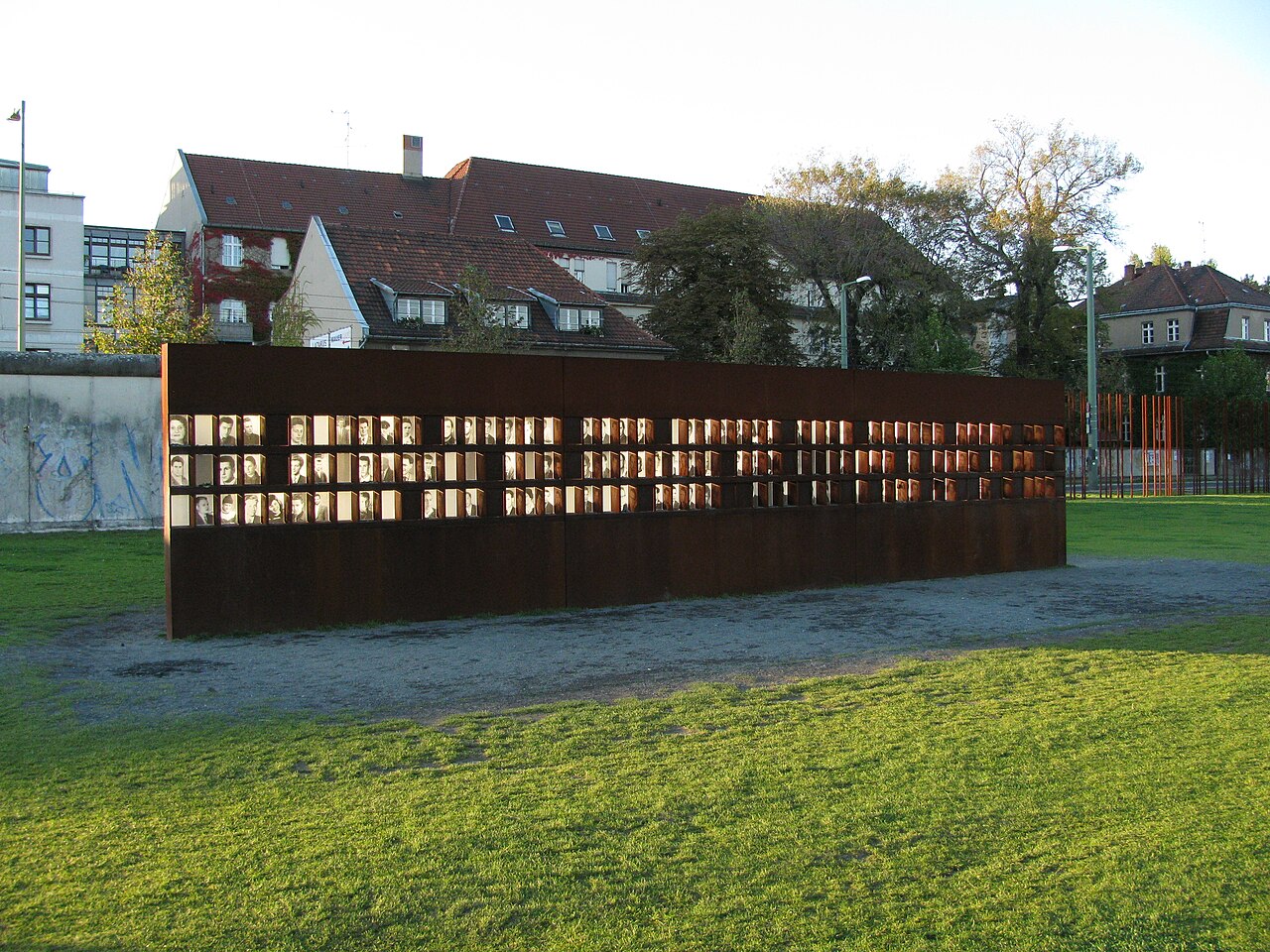
A Wall of Faces, and the First to Die
A rust-coloured wall of small photographs marks the people who died at this border. Some you can look in the eye; others are just blank frames, because no picture survives. More than 140 people were killed at the Berlin Wall, and here they are given back their names rather than left as statistics.
One story happened just steps away. Ida Siekmann was 58, and her building stood on Bernauer Strasse — her flat in the East, the pavement below in the West. On 22 August 1961, with her doorway already bricked up, she threw her bedding down to soften the drop and jumped from her window. She died of her injuries, one day before her 59th birthday, and is counted as the first death at the Wall.
Reading the Death Strip Like a Cross-Section
Everywhere else in Berlin, the border was dismantled in a rush of joy after 1989. Here, a single stretch was deliberately kept whole, so it can be read like a diagram. Nearest the viewing tower stands the hinterland wall — the inner barrier facing East, designed to stop escapees before they ever reached the front. Beyond it lies the open ground: raked sand to show footprints, the patrol road, the lamps, the line of the watchtower.
That empty strip has a tidy name — the death strip — but there was nothing tidy about it. Guards had orders to shoot, and the space was engineered so anyone crossing would be visible, alone and exposed for every metre. What strikes visitors now is the silence: grass, gravel, a few signs. It takes effort to picture it loud with dogs, floodlights and boots — and then to let it fall quiet again.
A Chapel Built from the Rubble of a Church
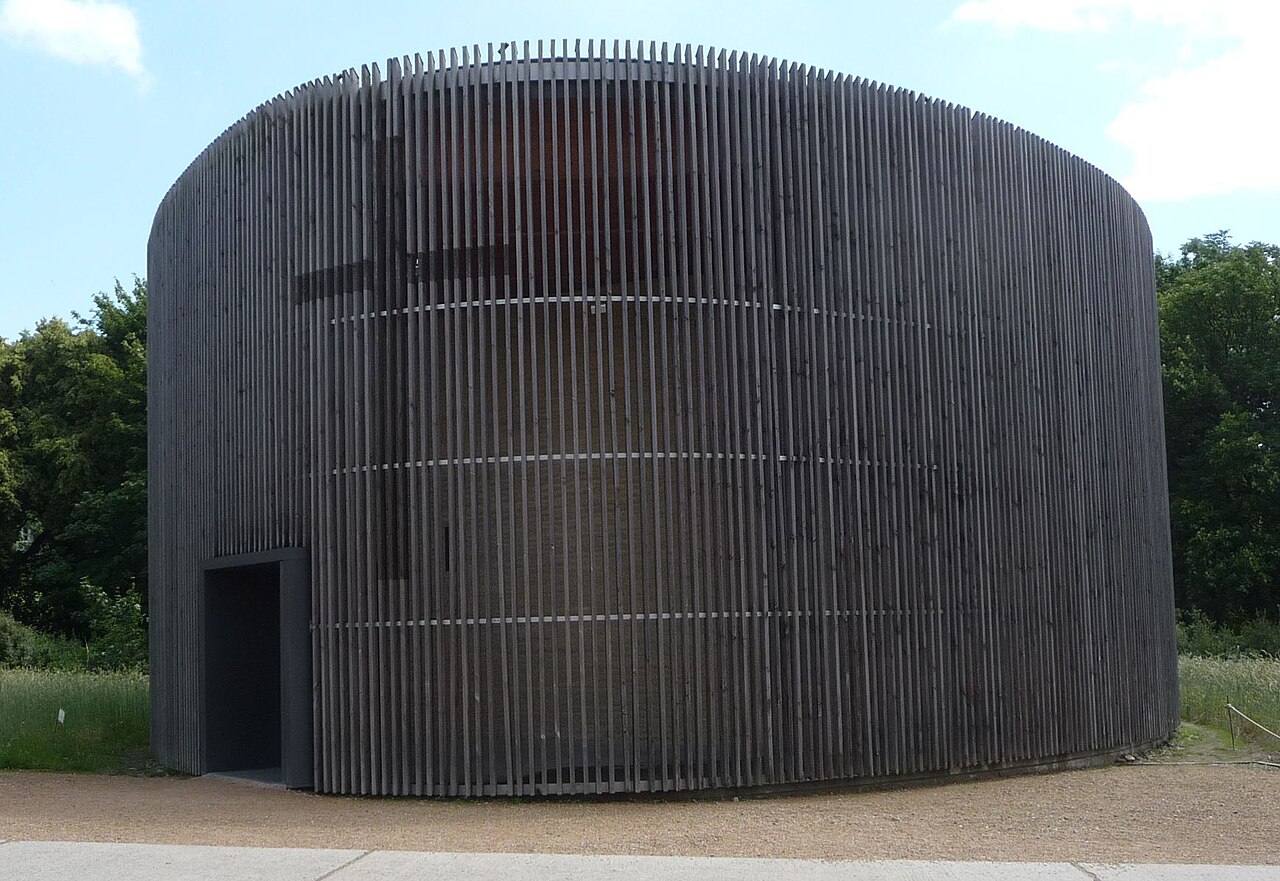
A tall brick church, the Church of Reconciliation, was built here in the 1890s. When the border was drawn, it ended up stranded inside the death strip — its congregation locked out, its spire an inconvenience to the guards' sightlines. In 1985, just four years before the Wall fell, the GDR simply dynamited it. People saved what they could from the rubble.
The round rammed-earth chapel that stands here now was built in 2000, on the exact footprint of the old church, its walls mixed with ground brick salvaged from the original. Every day at noon there's a short prayer, and each time the name of one person who died at the Wall is read aloud. It is, in the plainest sense, something small and honest put back after destruction.
Fifty-Seven People, One Bakery Cellar, One Buried Truth
Beneath the grass runs the line of Tunnel 57, named for the number who escaped through it. In October 1964, West Berlin students dug from the cellar of a disused bakery, under the death strip, and up into an outhouse on the Eastern side. Over two nights, 57 men, women and children crawled through the cold and damp to freedom.
But it ended in gunfire. Border guard Egon Schultz was shot dead during the escape, and the GDR made him a martyr supposedly murdered by Western agents, putting his name on schools and streets. The truth, hidden for decades, was harder: Schultz was killed mostly by a bullet from a fellow guard in the panic and darkness. The border took his life, and then it took the truth about his death too.
Good to know
The full route runs about 1.1 miles and takes roughly 40 minutes of listening, though you'll want longer to linger. The memorial stretch itself is about half a mile, followed by a further 0.6 mile walk to Mauerpark. The ground is flat, a mix of grass and pavement, so comfortable shoes are enough. The open-air memorial is accessible daily, but note the Visitor and Documentation Centres are closed on Mondays. Aim for a Sunday if you want to end amid Mauerpark's flea market and karaoke.
The full walk also passes Mauerpark.
The best way to absorb all this depth and detail is to let it be narrated as you walk. The free self-guided audio tour 'Bernauer Strasse: The Street the Wall Cut in Half' guides you from Nordbahnhof ghost station to Mauerpark across seven stops, told with the warmth of someone who remembers the border firsthand — the perfect companion for reading this street slowly.
Take the free tour: Bernauer Strasse: The Street the Wall Cut in Half →